Welcome to my blog. I'm a blind iOS developer who writes about technology, artificial intelligence, investing, accessibility, and life in general. I use AI as a coding partner and write about what I learn along the way.
All entries are written by me and edited with AI assistance. I'm transparent about the tools I use because I believe AI makes us more capable, not less human.
📰 Subscribe via RSS - For the old school folks who still use feed readers.
The Cost of Being Seen
March 6, 2026
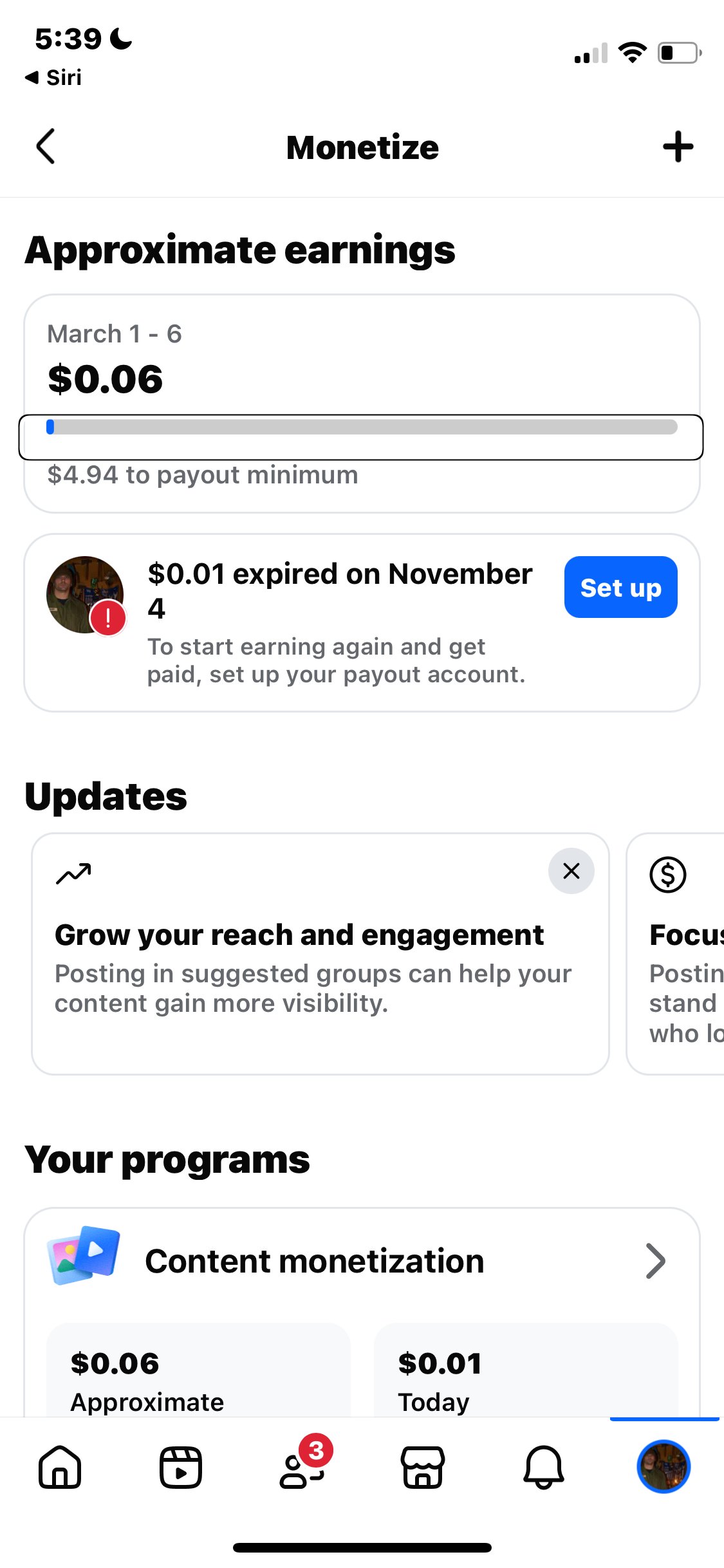
Something interesting happened recently. Facebook told me I could start making money from my posts. I've been creating content for years, and suddenly Meta decided I was worth paying. I checked my earnings. Six cents. I had made six cents.
The same day I noticed my six cents, I also noticed something else. My account had been restricted somehow. I'm not entirely sure what triggered it or what the restriction actually limits. But the timing was hard to ignore. The same platform that just handed me a nickel and a penny also quietly put some kind of flag on my account.
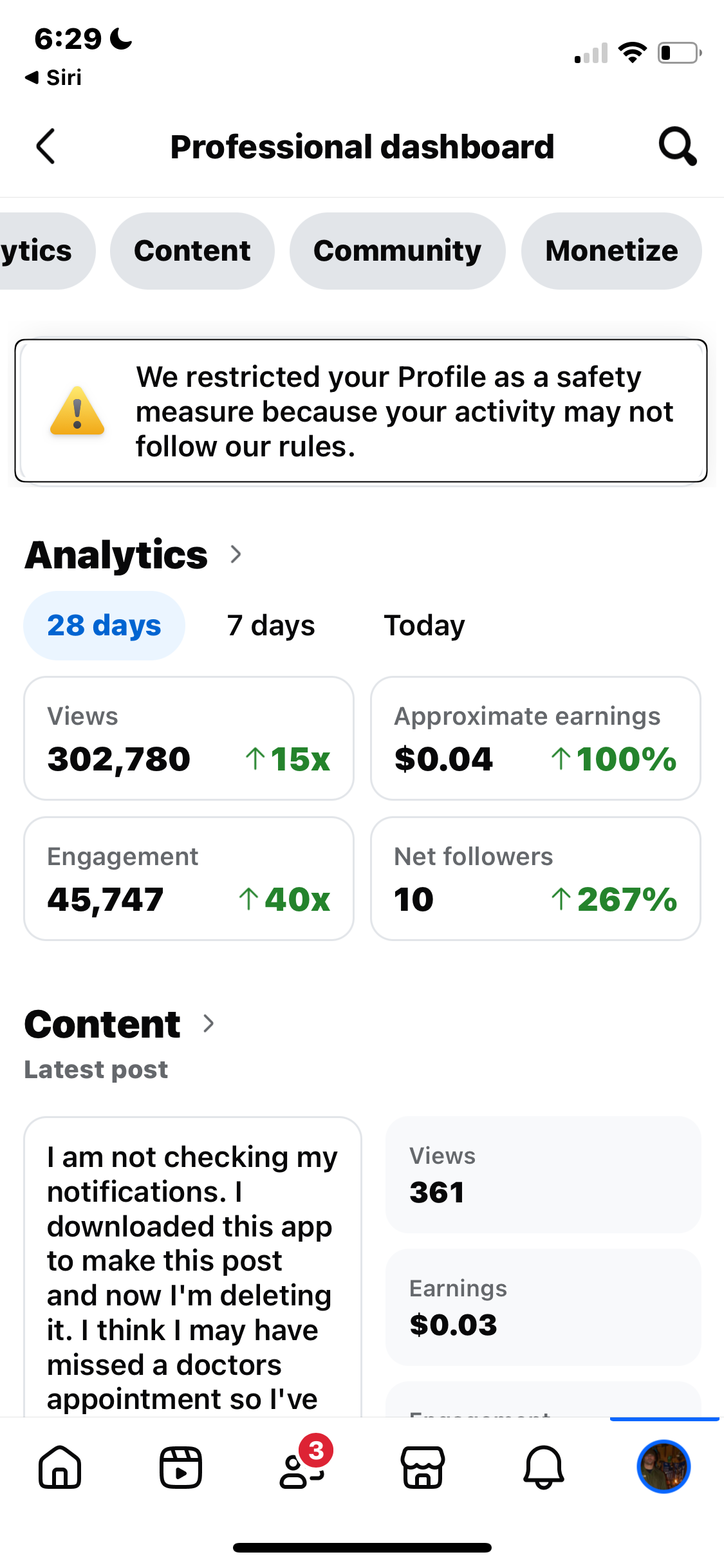
That's Facebook in 2026. They'll pay you to post. They'll also restrict you while they do it. Welcome to the deal.
Then there's X.
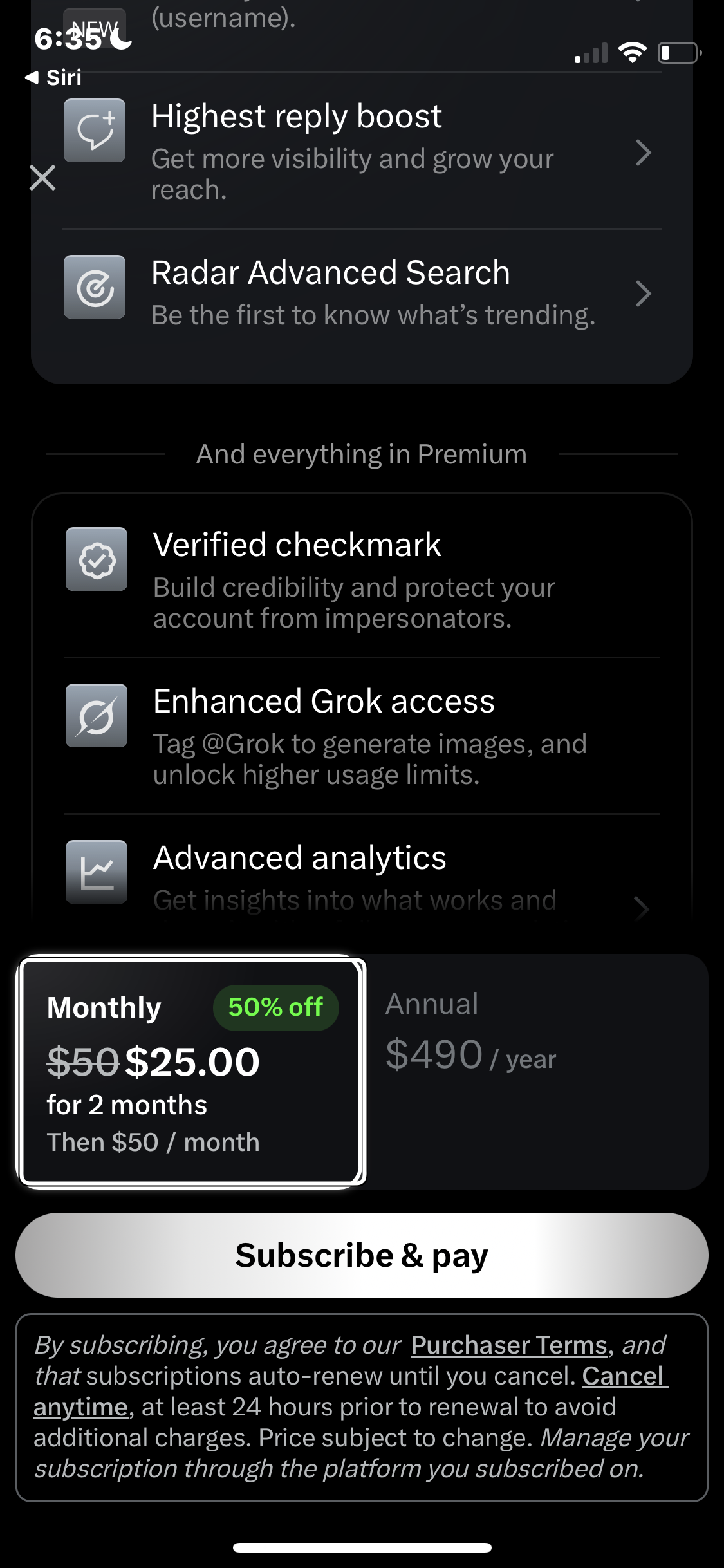
If you want your posts to actually be seen on X, you need to pay $50 a month for a premium account. I've noticed something telling when I scroll through my feed — almost everyone I see is verified. That little checkmark used to mean something. Now it means someone opened their wallet. The people who aren't paying aren't really showing up. They're posting into the void.
So here's where we are. On Facebook, they pay you to post — and then restrict you. On X, you pay them to post — and if you don't, nobody sees you. The game is the same either way. Money flows, content gets surfaced, and everyone else gets buried.
Everything you read on social media, everything you watch, is being shaped by this. The posts you see aren't necessarily the most honest or the most useful. They're the ones connected to a financial arrangement of some kind. Someone got paid to post it, or someone paid to boost it, or someone is chasing an algorithm that rewards engagement over truth. That's not conspiracy thinking. That's just how the economics work now.
I think this is a bad direction. Here's a simple example of why it matters. Imagine someone trying to share genuinely useful health information — a caregiver, a patient advocate, someone who figured something out the hard way. No budget. No monetization deal. No $50 subscription. Their post disappears. Meanwhile, a sponsored post from a supplement company with a verified badge and a paid boost sits at the top of your feed. The quality of the information has nothing to do with who sees it.
That's why I built gruver.tech.
There are no ads on my website. None. Everything I write about, every tool I mention, every product I reference — it's something I actually use personally. Nobody is paying me to say anything. I'm not chasing an algorithm. I'm not trying to hit some engagement threshold so a platform keeps sending me a check.
I pay for my website myself. I pay for the hosting, the domain, the infrastructure. That cost is what buys me the ability to say whatever I want, whenever I want, without asking anyone's permission. Facebook can't restrict me here. X can't bury me here. There's no monetization deal to revoke.
I genuinely don't know how many people have ever visited gruver.tech. I don't track it closely and honestly I don't care. I'm not building traffic. I'm building a record. I believe that showing up consistently, saying true things, and not selling my voice to anyone will matter eventually. Maybe not today. Maybe not soon. But the internet has a long memory, and so does integrity.
The platforms are going to keep changing the rules. The prices are going to keep going up. The restrictions are going to keep appearing without explanation. That's the deal when you build on someone else's land.
I'd rather own my corner of it.
Originally written by Bryan Scott Gruver on March 6, 2026. Edited by Claude.