Welcome to my blog. I'm a blind iOS developer who writes about technology, artificial intelligence, investing, accessibility, and life in general. I use AI as a coding partner and write about what I learn along the way.
All entries are written by me and edited with AI assistance. I'm transparent about the tools I use because I believe AI makes us more capable, not less human.
📰 Subscribe via RSS - For the old school folks who still use feed readers.
The Dog With a Hat That Fought the SEC
February 7, 2026
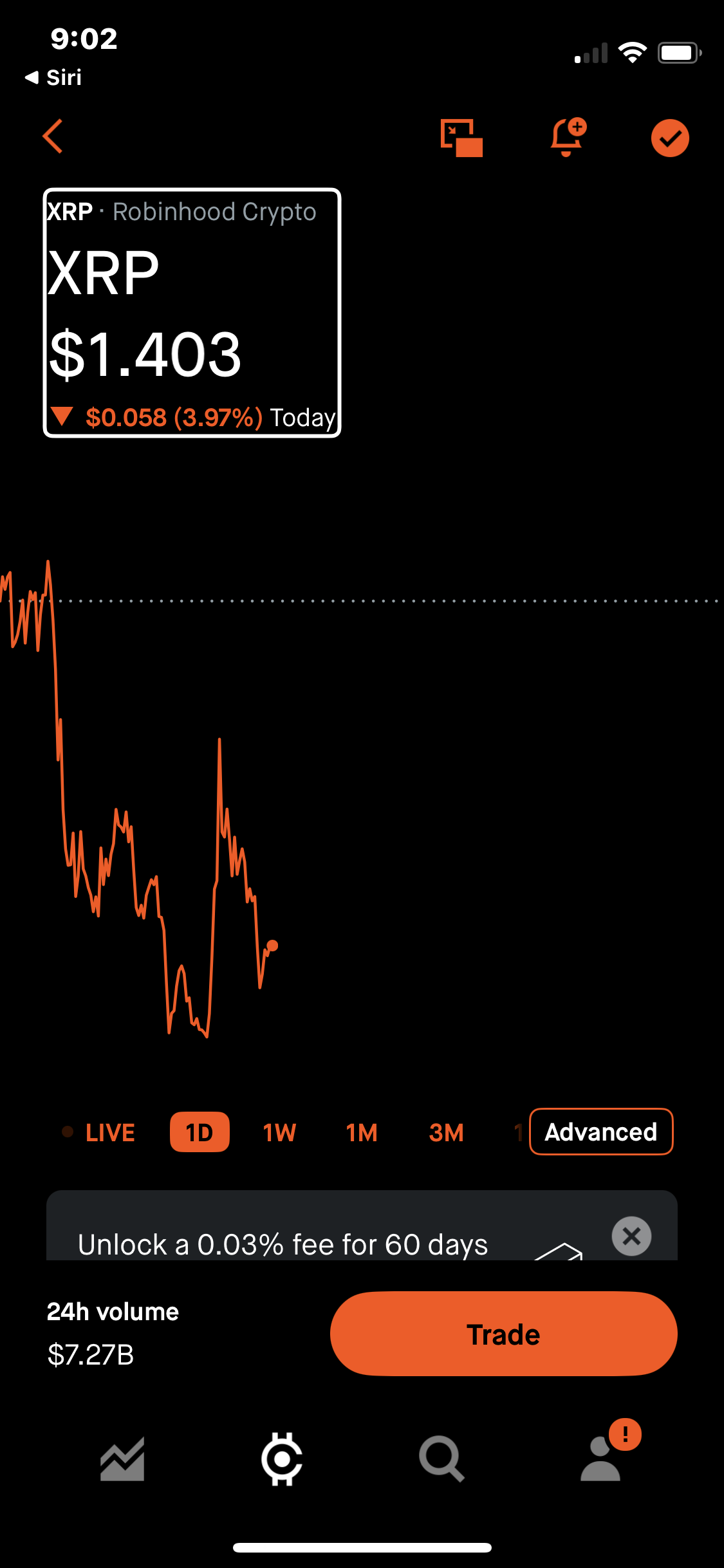
XRP is more than just a cryptocurrency. It's a story about what happens when regular people organize and fight back against regulatory overreach. And it's one of the few digital assets that actually solves real problems.
XRP was created by Ripple Labs to enable fast, low-cost international money transfers. Unlike Bitcoin, which can take minutes to confirm transactions, XRP settles in 3-5 seconds with fees that are fractions of a penny. The technology was designed to solve real problems in the banking industry—specifically, the slow and expensive process of moving money across borders.
Then the legal battle started. In December 2020, the U.S. Securities and Exchange Commission claimed that XRP was an unregistered security. This would have severely restricted its use in the United States and potentially killed it as a digital asset.
But here's the thing: people didn't give up. The XRP community rallied. They funded legal defense efforts. They organized. They fought back.
In July 2023, Ripple won a major victory when Judge Analisa Torres ruled that XRP sales on public exchanges were NOT securities. This was a landmark decision—not just for Ripple, but for the entire crypto industry. The case isn't completely over, but Ripple has won the most important battles. They proved that regular people buying and selling XRP aren't breaking securities laws.
The real story is what happened during the fight. While other crypto projects collapsed or gave up, XRP kept building. Ripple's payment network is being used by banks and financial institutions around the world. Companies like MoneyGram have used Ripple's technology to settle cross-border payments faster and cheaper than traditional methods.
XRP has strong adoption in Japan, where it's recognized as a legal payment method. SBI Holdings, one of Japan's largest financial services companies, is a major Ripple partner and has integrated XRP into multiple services. Ripple has secured licenses and partnerships in Dubai and other Middle Eastern markets. The XRP Ledger's technology is being considered as infrastructure for government-backed digital currencies.
I'm not a financial advisor. I'm not telling you to buy XRP. But I'm watching it closely because the technology actually works and solves real problems. The community proved they could fight back against regulatory overreach. Major financial institutions are using Ripple's technology. The legal victories have created clearer regulatory pathways. It's one of the few cryptocurrencies with actual enterprise adoption.
The XRP story shows what happens when people organize and fight for something they believe in. Whether you invest in crypto or not, that's worth paying attention to.
Cryptocurrency is volatile and risky. Only invest what you can afford to lose. Do your own research. Nothing here is financial advice.
Originally written by Bryan Scott Gruver on February 7, 2026. Edited by Claude.